

What Should You Know About Choosing Wallet Manufacturers?
Selecting the right wallet manufacturers for custom EDC production comes down to three things: capability alignment, proven quality systems, and a procurement process that matches your order timeline. A reliable factory should demonstrate in-house machining or forming capacity, hold relevant certifications for your target market, offer realistic sample lead times, and communicate specs clearly before committing to production.
Buyers who move too quickly past factory audits or skip sample evaluation often encounter issues with tolerance drift, inconsistent surface finishes, or packaging that fails retail inspection. The most efficient path is to shortlist suppliers using a scored evaluation framework, then validate that framework with physical samples before placing a production order. This approach reduces rework risk and helps you compare multiple factories on the same criteria.
How Does Custom Wallet Manufacturing Work?
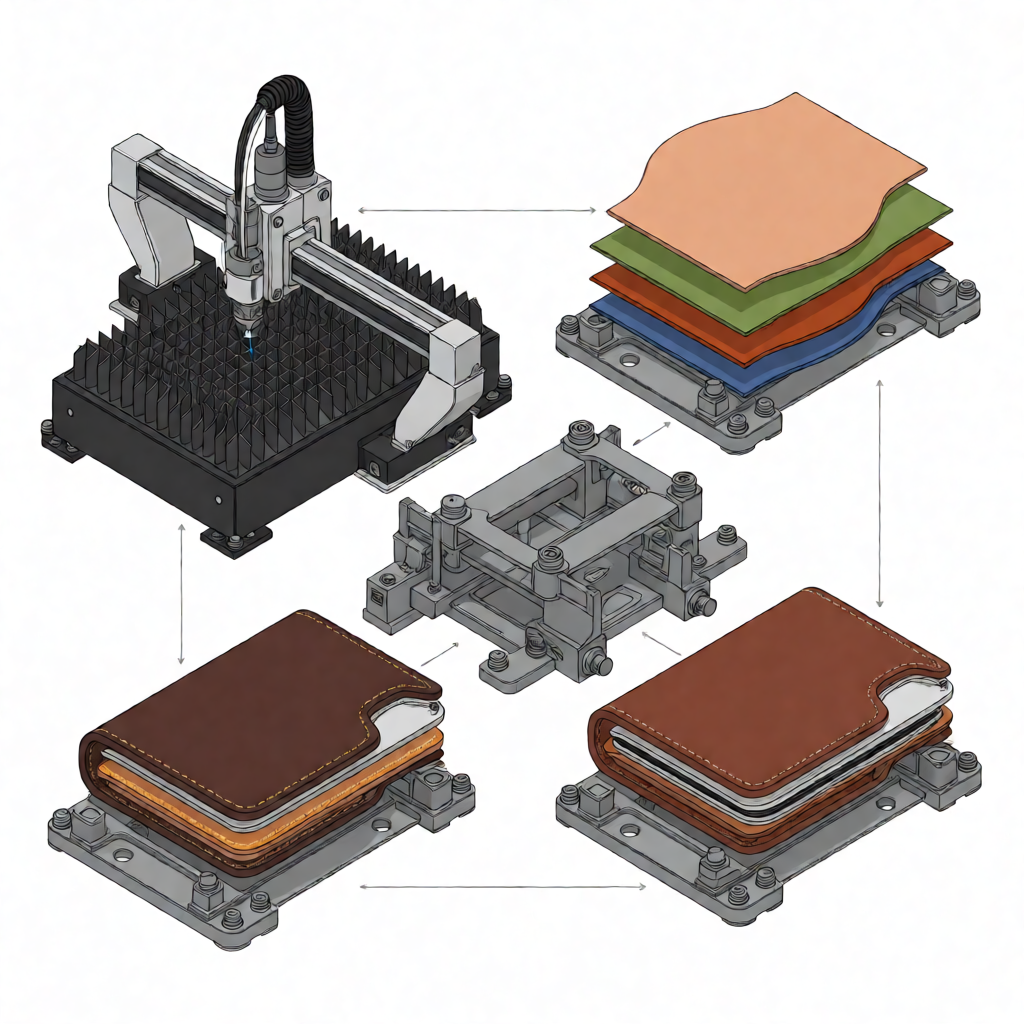
Understanding the manufacturing workflow helps you set realistic expectations for timelines, cost, and quality control. Custom wallet production typically follows these stages: concept review, material selection, prototyping, tooling or CNC setup, sample approval, mass production, and finishing. Each stage introduces variables that affect the final unit cost and delivery date.
OEM vs ODM vs Private Label: Which Fits Your Brand?
The manufacturing model you choose determines how much intellectual property you retain and how much design support you receive from the factory.
OEM (Original Equipment Manufacturer) means you provide the design, specifications, and tooling. The factory produces exactly to your drawings. This is the most common model for established brands with defined SKUs and those protecting proprietary designs. It gives you full control over materials, tolerances, and finishes.
ODM (Original Design Manufacturer) means the factory offers existing designs that you can customize or brand. This model accelerates time-to-market because the design work is already done. It is common among buyers launching their first product line or those testing market demand before investing in custom tooling.
Private label refers to products manufactured by a factory and branded with your logo and packaging, often using the manufacturer’s existing catalog designs. This is the standard arrangement for Amazon FBA sellers, promotional product distributors, and retail chains adding wallet SKUs quickly.
For deeper guidance on selecting between these models, see our best minimal wallets for B2B sourcing and private label programs guide.
What Materials and Construction Methods Are Standard?
The material choice drives durability, weight, aesthetics, and unit cost. Minimalist EDC wallets most commonly use three material categories:
Aluminum — Typically 6061-T6 or 5052 alloy, machined via CNC or stamped and anodized. Anodizing provides color consistency, scratch resistance, and corrosion protection. Aluminum wallets sit in the mid-range for cost and offer strong durability for everyday carry use.
Carbon fiber — Woven composite panels bonded to a metal or polymer core. Carbon fiber card holders are lightweight, stiff, and visually distinctive. The material is more expensive than aluminum but commands a premium in retail. Construction involves precision cutting, adhesive bonding, and edge finishing.
Titanium — Used primarily for money clips and high-end card holders. Titanium offers the best strength-to-weight ratio and natural biocompatibility. It is the most expensive common material and requires specialized machining due to its hardness.
Construction methods include CNC milling for solid-core wallets, stamping and folding for thinner profiles, and layered lamination for card-holder architectures. For technical detail on component selection such as money clips, review our sourcing money clips for B2B: specifications and standards guide.
What Are the Typical MOQs, Lead Times, and Capabilities?
Minimum order quantities and sample timelines vary significantly by factory size, location, and production model. Understanding these ranges helps you forecast costs and plan launch schedules.
What Are Typical MOQs and Sample Lead Times?
MOQ for custom wallet production generally falls into three tiers:
- Prototype and testing runs: 50–100 units. Common for buyers validating a design before scaling.
- Standard private label orders: 100–500 units. The most frequent range for Amazon FBA sellers and small EDC brands.
- Full production runs: 500–5,000+ units. Required when factory setup costs are amortized across larger volumes.
Sample lead times for custom wallets typically range from 5 to 15 business days, depending on whether the design uses an existing platform or requires new CNC programming. Repeat orders with confirmed specifications can move through production in 15 to 30 days.
What Customization Options Are Available?
Customization options define how differentiated your product will be in the market. Standard options across most wallet factories include:
- Laser engraving — Logos, patterns, and text etched into metal or carbon fiber surfaces. Depth and precision depend on laser wattage and material type.
- Anodizing — Electrochemical coloring for aluminum wallets. Common colors include black, silver, blue, and gold. Custom RAL or Pantone matching is possible at higher volume tiers.
- UV printing — Full-color graphics applied to flat surfaces, suitable for complex branding or artwork.
- Custom packaging — Retail boxes, clamshells, and hang tags designed to your specifications. Packaging affects unboxing experience and retail readiness.
- Branding elements — Metal plaques, embossed logos, and custom hardware finishes.
When evaluating a contract wallet maker, ask for a customization capability matrix that lists which options are available at each order tier. Some factories restrict certain processes to higher MOQs.
For sourcing guidance on specific product types like card holders, see our best card holder selection for B2B sourcing resource.
What Certifications and Compliance Matter?
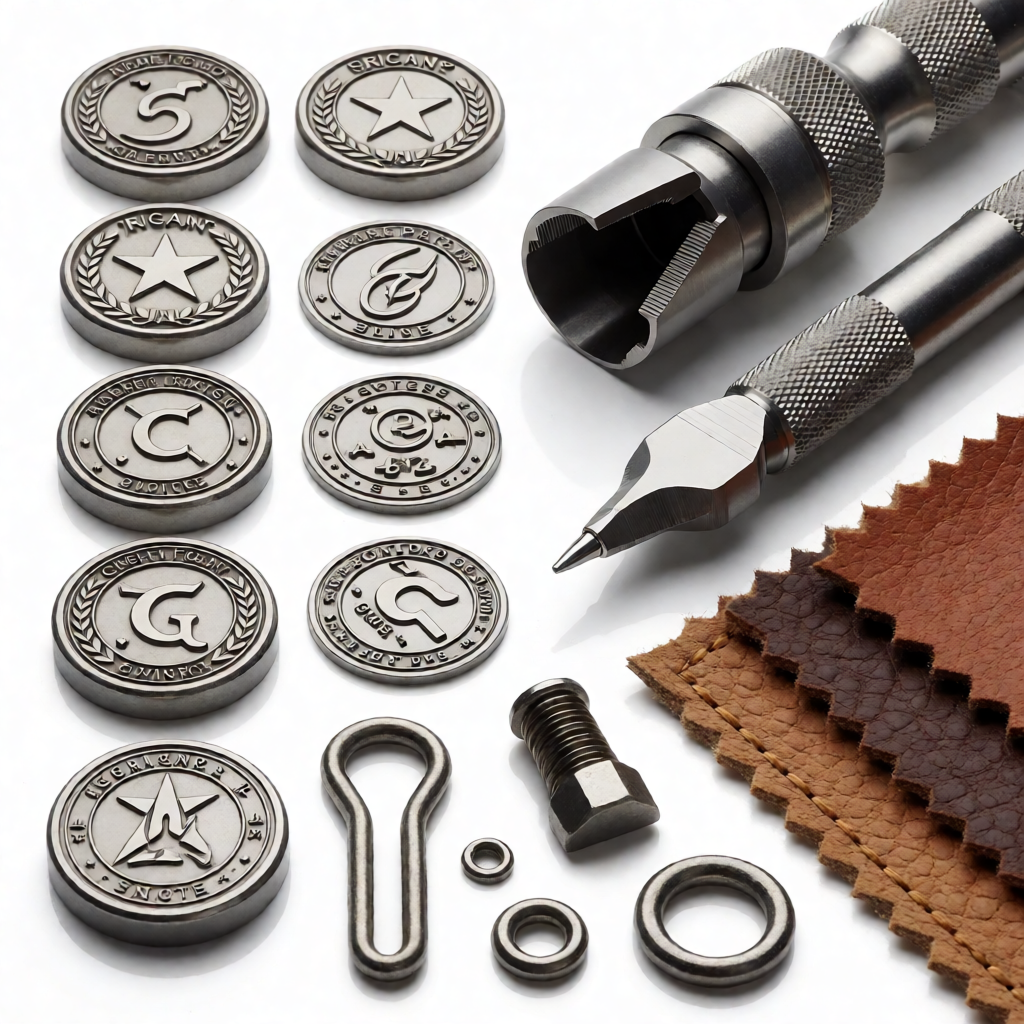
Certifications signal that a factory operates under documented quality and ethical standards. They are especially important when selling into regulated markets such as the European Union, North America, or Australia.
ISO 9001 Certified Quality Management
ISO 9001 certification indicates that a manufacturer maintains a documented quality management system covering design control, incoming material inspection, in-process quality checks, and finished-goods verification. For wallet manufacturers, ISO 9001 should cover dimensional tolerance verification, surface finish inspection, and packaging integrity testing.
A certified factory will provide a quality manual and inspection reports on request. Buyers should verify that the certification is current and covers the specific product category being ordered.
BSCI Social Compliance
The Business Social Compliance Initiative (BSCI) audit evaluates working conditions, safety practices, and labor standards at the factory. Many European retailers and distributors require BSCI certification as a supplier prerequisite. A passed BSCI audit reduces supply-chain risk related to labor disputes or regulatory non-compliance.
REACH and RoHS Compliance
REACH (Registration, Evaluation, Authorisation and Restriction of Chemicals) and RoHS (Restriction of Hazardous Substances) regulate the chemical substances used in products sold in the EU. For wallet manufacturing, these directives affect anodizing baths, adhesive formulations, and plating processes. Suppliers should provide material compliance declarations and be able to test for restricted substances on request.
FTC Guidelines on Private Label Claims
When private labeling products, the Federal Trade Commission requires accurate country-of-origin labeling and prohibits deceptive manufacturing claims. Buyers should ensure that all labeling meets the requirements of their target sales market.
What Should You Evaluate Before Committing to a Manufacturer?
A structured evaluation process prevents costly mistakes and helps you build a reliable supplier relationship. Use the following framework when assessing potential EDC wallet factories.
Capability Assessment
Verify that the factory has the equipment and expertise for your required processes. In-house CNC machining is essential for precision metal wallets. Ask for a facility tour or video walkthrough. Confirm that surface finishing, engraving, and packaging are handled internally or through vetted sub-contractors.
Quality Control Process
Ask about incoming material inspection, in-process checkpoints, and final inspection criteria. A responsible manufacturer will document rejection rates and corrective actions. Request sample inspection reports before placing an order.
Communication and Responsiveness
Evaluate how quickly the factory responds to technical questions, whether they provide detailed quotations with clear specifications, and if they assign a dedicated account contact. Slow or vague communication during the inquiry stage often predicts delays during production.
Sample Evaluation
Never skip the sample stage. Physical samples reveal tolerances, finish quality, and assembly integrity that photographs cannot show. Test samples for RFID-blocking performance if that feature is specified. Check that engravings are legible and positioned correctly. Verify that packaging meets your retail requirements.
Logistics Readiness
If you are an Amazon FBA seller, confirm that the factory can prepare shipments to FBA requirements including barcoding, poly bagging, and carton labeling. For distributors requiring drop shipping, verify that the factory supports direct-to-customer fulfillment with accurate packing lists.
For additional context on sourcing strategies, review our guide on sourcing wallets from nearby manufacturers and suppliers for B2B buyers.
How We Approach Wallet Manufacturing — A Manufacturer’s Perspective
After years of producing minimalist wallets, card holders, and pocket gear for brands across multiple continents, we have learned that successful manufacturing partnerships are built on transparency and specification clarity. Here is how we structure our approach to meet the criteria outlined above.
We operate a 50,000 sq ft in-house factory with CNC machining, laser engraving, anodizing, and UV printing capabilities under one roof. This integrated setup means we can move a design from engineering file to finished sample without outsourcing critical steps. For an EDC brand startup or an Amazon FBA seller sourcing wallets, this vertical integration reduces lead time variability and improves quality consistency.
Our certification profile reflects the standards that matter to our buyers. We hold ISO 9001 certification for quality management and maintain BSCI audit compliance for social responsibility. All materials used in our production lines are REACH and RoHS compliant, and we source SGS-tested inputs to support buyer compliance documentation.
When buyers ask about MOQs, we set our starting point at 100 pieces for custom orders. This threshold allows us to run efficient CNC setups while keeping per-unit costs reasonable for smaller brands. Our sample lead time is 7 days for standard designs and up to 14 days for fully custom engineering projects. We provide a detailed quotation with material specs, process breakdown, and timeline before any deposit is collected.
Customization is central to our offering. We support OEM production from your design files, ODM development from our existing platform catalog, and private label branding with your logo and packaging. Laser engraving depth, anodizing color, and packaging design are all configurable. We also handle Amazon FBA prep and drop shipping logistics for buyers who need turnkey fulfillment support.
Our buyer base spans 200+ brands worldwide across North America, Europe, Australia, and Southeast Asia. Each engagement starts with a specification review to ensure our capabilities align with your product requirements. If a feature falls outside our standard processes, we communicate that early rather than risking misalignment later.
Sources & References
- ISO 9001 — www.iso.org
- Federal Trade Commission — www.ftc.gov
- best minimal wallets for B2B sourcing and private label programs — topedcwallet.com
- sourcing money clips for B2B: specifications and standards — topedcwallet.com
- best card holder selection for B2B sourcing — topedcwallet.com
- sourcing wallets from nearby manufacturers and suppliers for B2B buyers — topedcwallet.com
- Get a Free Quote → — topedcwallet.com
From article to product
Sourcing minimalist-wallets?
Tell us the format, the quantity and the date you need stock. You get material options, MOQ and a landed-cost range back within one business day.
Keep reading
More on wallet manufacturing
Wallet Compliance Checklist 2026: 7 Steps to Clear REACH, CPSIA, Prop 65, and RoHS for Wallets Sold in the US and EU
Most wallet import problems are preventable before production starts: US and EU rules are…
ReadShopify Wallet Supplier Setup in 2026: The 60-Day Reorder Math That Keeps You in Stock
A Shopify wallet store rarely fails on design; it fails on supply chain. SKUs…
ReadShipping Wallets From China in 2026: Three Ways to Ship Compared — Air, Sea, and DDP Cost vs. Lead Time for Small and Large Orders
Almost every wallet order from Dongguan ends with the same trade-off: pay for speed…
Read
About the author
Wu, Leon
Leon Wu is the senior product engineer and EDC testing lead at TOPWALLET. He has spent more than a decade on wallet design-for-manufacture, materials and quality control at the company's Dongguan facility, and writes from bench testing, pull-force and 13.56 MHz shielding measurements rather than supplier spec sheets.
Written on the floor
This article was written by our production and QC team — the people who spec tolerances, run the finishing line and inspect every batch. Where it states a capacity, a pull force or a lead time, it comes from a measurement we made, not a supplier’s catalogue. If a number here disagrees with what your own supplier told you, tell us; several of these articles started as a correction from a buyer.
See how the factory works · Inspection process · Sourcing FAQ
Sourcing minimalist-wallets?
Tell us the format, the quantity and the date you need stock. You get material options, MOQ and a landed-cost range back within one business day.