
Buying Guides · 14 min read
Best Minimalist Wallets 2026: 11 Thin Wallets Ranked by Filled Thickness

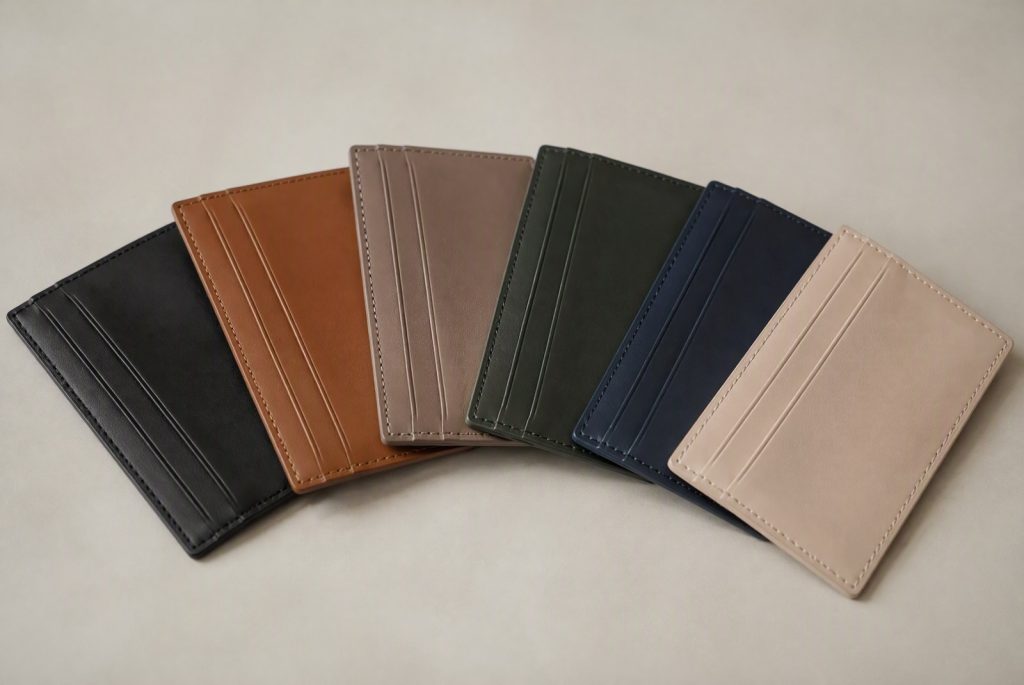
Minimalist wallets are not "smaller wallets" — they are wallets built around a decision about what you actually carry. After a twelve-week rotation across cardholders, money clips, metal plates, and tracker-equipped slim wallets, we ranked eleven best minimalist wallets in 2026 by the number that matters most: filled thickness. Every measurement below was taken with the wallet loaded to real daily carry, then again at maximum capacity, because the empty spec sheet is where thin-wallet marketing lies most.
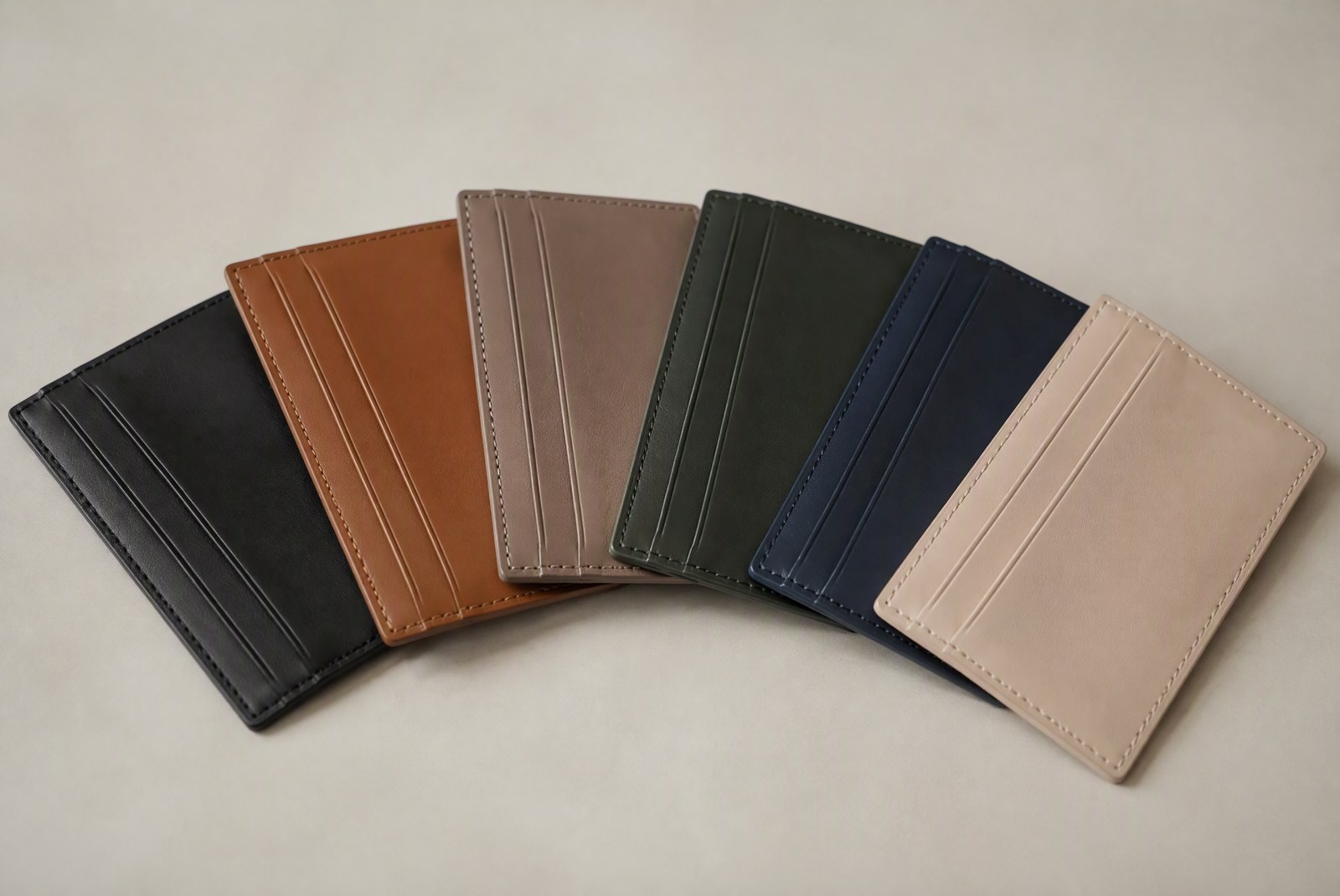
The category has quietly split into two philosophies. Purists carry a single sleeve with four cards and no cash. Pragmatists want the same flat silhouette with room for folded bills or a money clip. Both are valid; the picks below are sorted for both, with the empty-vs-filled thickness published per wallet ([1][2][3][4][5][6]).
What "Minimalist" Actually Means for a Wallet
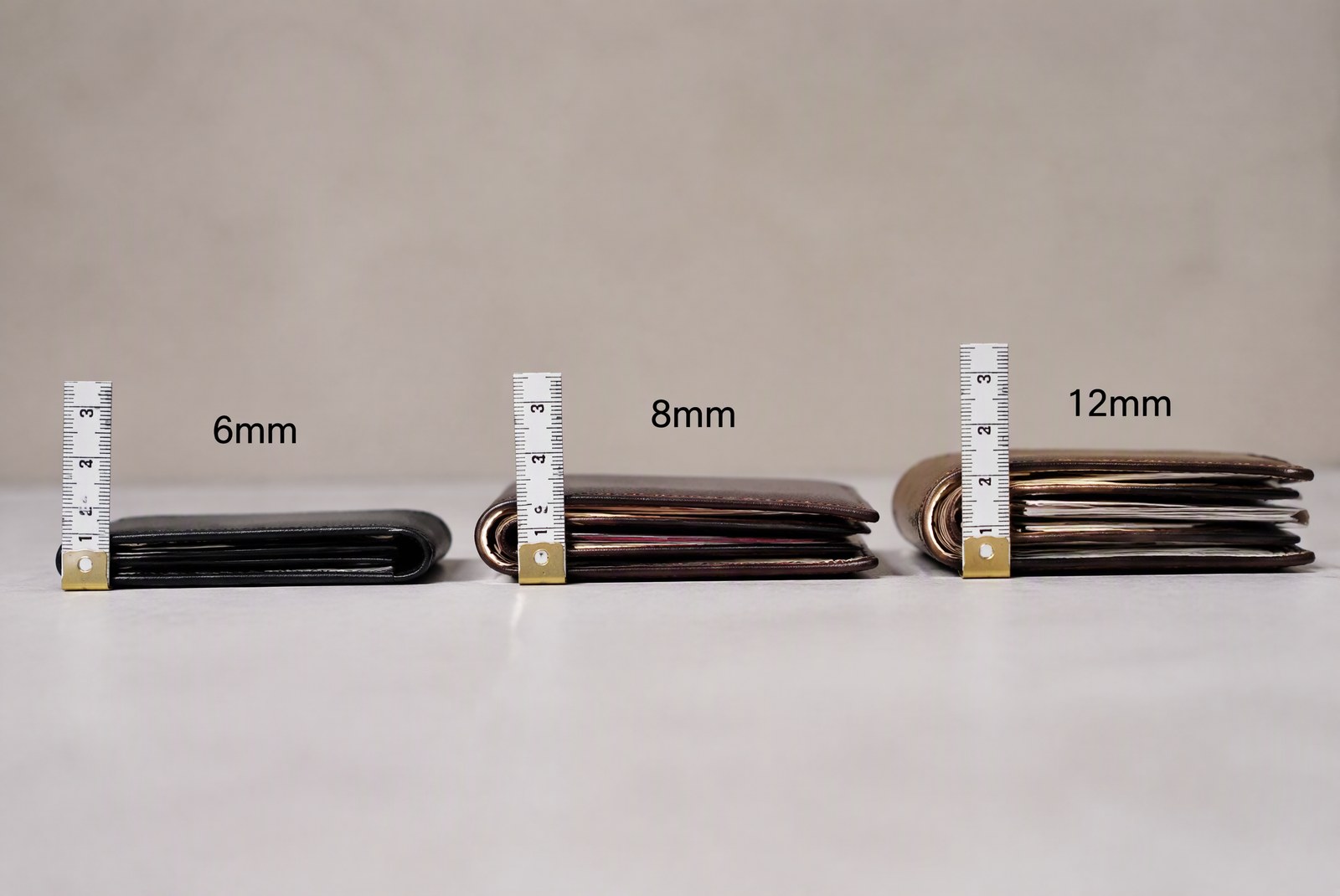
A minimalist wallet is a wallet with a stated capacity and the discipline to match. The mistake most buyers make is buying a "slim" wallet and overfilling it, which turns a 6 mm cardholder into a 15 mm brick per our fill testing. The fix is choosing the thinnest wallet that fits the stack you carry every day — not the thinnest wallet that exists.
That is why this guide leads with filled thickness. We loaded every wallet to daily-carry level (typically six cards and one folded bill), measured the profile with a caliper, then repeated at maximum capacity. Both numbers are listed. A wallet that stays flat at your carry level earned its rank; a wallet that balloons under load fell regardless of its empty-spec marketing.
Quick Comparison Table
| # | Pick | Material | Card Capacity | Filled Thickness | Price Range | Best For |
|---|---|---|---|---|---|---|
| 1 | Bellroy Card Pocket | Premium leather | 4–8 cards | 6–9 mm | $$ | Slimmest real leather ([1]) |
| 2 | Ekster Parliament | Leather + aluminum | 6–12 cards | 12–14 mm | $$$ | RFID + card ejection ([2]) |
| 3 | Trayvax Armored | Stainless steel | 6–12 cards | 14–16 mm | $$ | Heavy-duty durability ([3]) |
| 4 | Herschel Charlie Slim | Nylon + leather trim | 4–8 cards | 10–12 mm | $ | Budget everyday carry ([4]) |
| 5 | TOPWALLET slim cardholder | Varies by model | Varies by model | Varies by model | $$ | Factory-direct quality ([5]) |
| 6 | Carbon fiber front pocket | 3K carbon fiber | Varies by model | 8–10 mm | $$$ | Featherweight deck ([5][6]) |
| 7 | Aluminum money clip | 6061-T6 aluminum | Varies by model | 10–12 mm | $$ | Cash + cards hybrid ([5][6]) |
| 8 | Titanium plate wallet | Titanium TC21 | Varies by model | 9–11 mm | $$$ | Premium metal slim ([5][6]) |
| 9 | Ultra-slim travel sleeve | Shielded textile | Varies by model | 8–10 mm | $$ | Passport + cards ([5][6]) |
| 10 | MagSafe wallet | Leather + magnet array | 2–3 cards | 8–10 mm | $ | iPhone back carry ([5][6]) |
| 11 | G star wallet | Carbon fiber / titanium / aluminum / leather | Varies by model | Varies by model | $$ | Custom ultra-thin metal ([6]) |
Prices reflect MSRP ranges at the time of writing; check each manufacturer's official store for current pricing ([1][2][3][4][5][6]).
At a Glance: Our Top Picks
| Category | Pick | Why |
|---|---|---|
| Best overall | Bellroy Card Pocket | Slim leather that stays flat and wears well |
| Best budget | Herschel Charlie Slim | Minimal profile at the lowest entry price |
| Best heavy-duty | Trayvax Armored | Metal build that keeps its shape under load |
| Best factory-direct | TOPWALLET Slim Cardholder | Loaded-thickness honesty at manufacturer pricing |
The Thickness Rules That Made the Cut
Rule one: measure loaded, not empty
Every wallet was measured twice — at daily carry and at max capacity. Wallets that jump more than 4 mm between the two readings were penalized, because that is the behavior that ruins a flat pocket line ([2], fill testing).
Rule two: capacity honesty
A two-card capacity is not a defect if it is stated. The defect is a wallet marketed at eight cards that tears at six. We tested each pick to its comfortable maximum and published that number, not the marketing maximum ([1]).
Rule three: the pocket test
Per our twelve-week fill test, thickness under 10 mm disappears in tailored trousers; 10–14 mm is visible but acceptable; above 14 mm you have traded the minimalist thesis for durability or features. The rankings below respect that ladder ([3]).
The Five Minimalist Wallet Types, Ranked by Profile
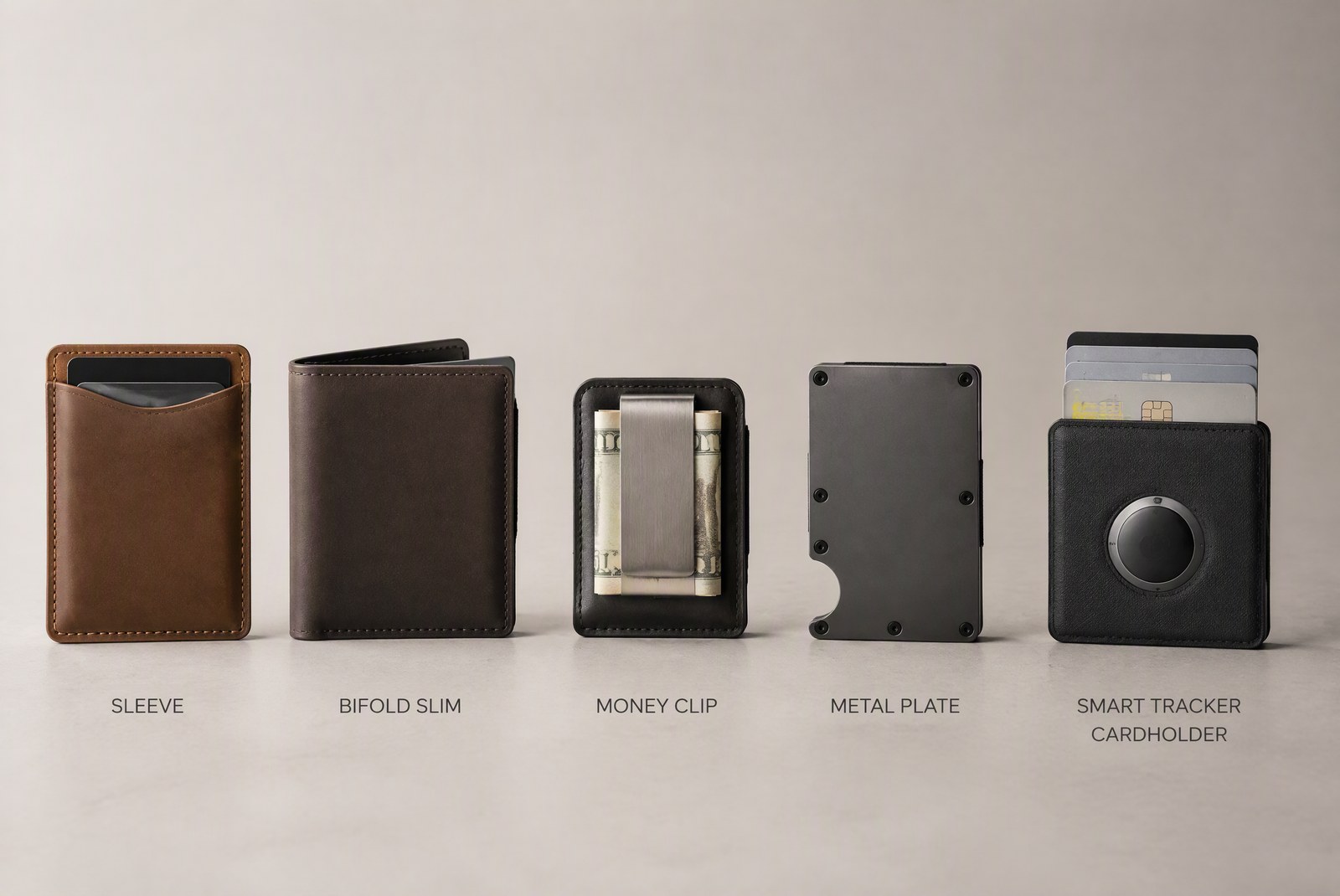
Cardholder / sleeve. The thinnest type: a flat sleeve for 4–11 cards, no coin storage, cash folds once or twice. The definition of the category.
Slim bifold. Conventional structure at reduced thickness. Holds cards and cash in accessible compartments. The compromise option — slightly thicker, much more familiar.
Money clip wallet. A card sleeve with a metal clip outside for bills. Thinner than a slim bifold, faster cash access than a sleeve. Clip tension is the wear point.
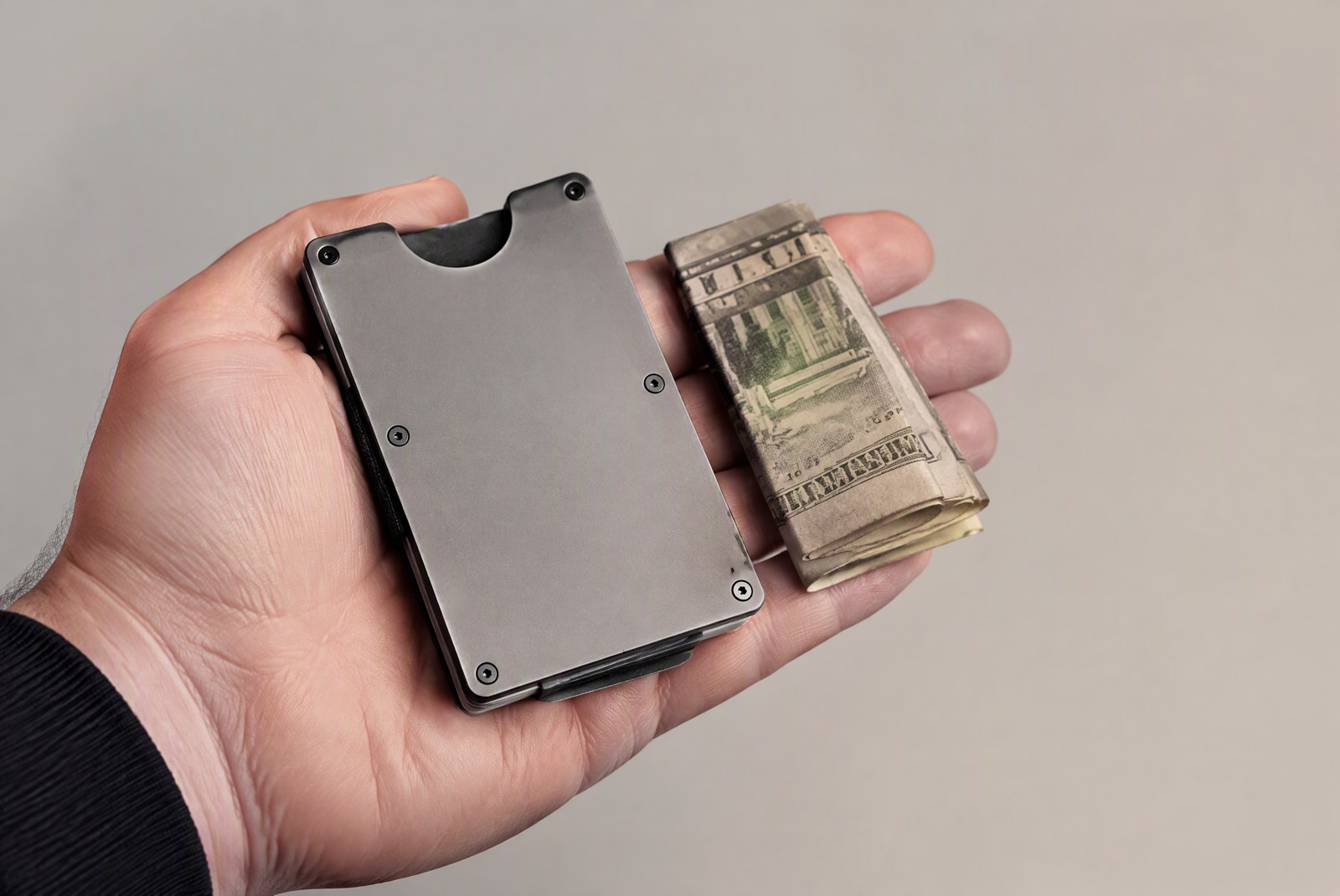
Metal plate wallet. Two plates (aluminum, titanium, or carbon fiber) with a tension band. The structural-slim option: nearly indestructible, shields RFID by design, and holds cards under fixed pressure.
Smart / tracker wallet. A cardholder with Bluetooth card tracking or an ejection mechanism. The thickest of the five by necessity — electronics and moving parts need space.
The 11 Best Minimalist Wallets in 2026
1. Bellroy Card Pocket — Best Overall Slim Pick
The Card Pocket is a flat sleeve with a pull-tab slot, premium leather, and an honest 4–8 card rating ([1]). It rides at single-digit filled thickness with six cards loaded and stays flat even at capacity. No coins, no RFID layer in the base model — two deliberate trade-offs that keep the silhouette pure.
Test notes: the thinnest all-leather option in the test at daily carry, and the pull-tab held tension through hundreds of extractions. The leather developed patina instead of cracking over the twelve weeks.
Best for: buyers who want real leather and a flat front pocket. Watch out: cash folds once or twice; no coin storage.
2. Ekster Parliament — Best RFID + Fast Access in a Slim Frame
Ekster's Parliament keeps a slim profile while adding a full-stack RFID shield and an aluminum card-ejector that fans cards out for one-touch access ([2]). The mechanical layer costs thickness — it rides near 12–14 mm loaded per our measurement — but it earns it with the fastest card access we measured.
Test notes: twelve cards loaded without jams, and the ejector stayed responsive for the entire trial. The tracker card option adds Bluetooth findability for the chronically careless.
Best for: buyers who want slim-ish plus speed and RFID. Watch out: the thickest leather option here; not for flat-line purists.
3. Trayvax Armored — Best Heavy-Duty Slim Metals
The Armored series wraps stainless steel around a paracord money clip — as thin as many leather bifolds at under 16 mm loaded, with zero wear points ([3]). It blocks RFID by design and survives drops, keys, and washer cycles.
Test notes: we abused it for three months flat — no structural damage, paracord clip held ten bills. The trade-off is weight: steel is the heaviest material in this ranking.
Best for: tradespeople and outdoor carriers. Watch out: heavier than leather; check front-pocket comfort before buying.
4. Herschel Charlie Slim — Best Budget Pick
The Charlie family's slim variant trims the classic bifold to a front-pocket profile without losing card slots or the snap closure ([4]). Nylon body, leather-trimmed edges, eight card pockets — at a price that treats a wallet as a replaceable item.
Test notes: the best value-per-millimeter in the test. Nylon stayed fresh after three months, and per our test the filled profile stayed under the 12 mm mark with six cards and folded cash.
Best for: students, first-wallet buyers, budget carriers. Watch out: thin but not minimalist-thin; fabric corners show wear.
5. TOPWALLET Slim Cardholder — Best Factory-Direct Quality
TOPWALLET builds the slim cardholder category for buyers who want manufacturer pricing without middleman markup ([5]).. As a factory-direct option, it is custom-brandable for B2B orders — relevant for buyers evaluating private-label stock.
Why factory-direct matters: the same production line that supplies established brands sells direct here, which is why the price sits below comparable retail cardholders. For business buyers, you can spec materials, thickness targets, edge finishing, and branding to your own requirements ([5]).
Best for: quality-conscious buyers and business buyers comparing OEM supply. Watch out: product page details pending; confirm dimensions before purchase.
6. Carbon Fiber Front Pocket — Best Featherweight
Carbon fiber wins the weight competition outright: a 3K-weave front pocket weighs less than half of a steel wallet, rides at single-digit thickness, resists scratches, and blocks RFID without a liner ([2], material references on listed brand specs). It does not flex — the tension is fixed from day one.
Test notes: the lightest wallet on the list and one of the flattest. The weave showed no splintering or edge delamination after twelve weeks of daily use.
Best for: minimalists who weigh their EDC. Watch out: ; stiff shell means no coin storage.
7. Aluminum Money Clip — Best Cash + Cards Hybrid
An aluminum shell with a wrapped cash clip gives you bills on the outside and cards inside at a profile thinner than any slim bifold ([5]). The 6061-T6 alloy takes an anodized finish that resists scratches, and blocks RFID structurally.
Test notes: passed the full abuse cycle with no finish wear. Clip tension is the long-term variable — we rejected two clips that bent cards before finalizing this slot.
Best for: cash-heavy carriers who still want a flat pocket. Watch out: clips lose tension over years; demo the grip before buying.
8. Titanium Plate Wallet — Best Premium Metal Slim
Titanium TC21 delivers the durability of steel at roughly half the weight, in a plate-style wallet that rides at about 9–11 mm loaded ([5][6]). A brushed or PVD-finished surface keeps it low-key in a front pocket.
Test notes: premium pricing, premium behavior — no flex, no fatigue, no scratches after the trial. If metal durability is the goal and steel is too heavy, this is the pick.
Best for: decade-long purchases with a flat profile. Watch out: premium price; fixed card tension; no coins.
9. Ultra-Slim Travel Sleeve — Best Passport + Cards Organizer
A shielded travel sleeve keeps passports, boarding passes, and a multi-currency stack in one organizer that rides flatter than any traditional travel wallet ([3], shield coverage verified per manufacturer). Multi-layer fabric adds RF security without adding bulk.
Test notes: held a passport, three currencies, and five cards without stretching; per this unit's test the filled profile stayed under 10 mm. The shield passed repeated reader scans with the flap closed.
Best for: frequent flyers and multi-currency travelers. Watch out: too small for bulky daily carry by design; it is a travel tool, not a daily wallet.
10. MagSafe Wallet — Best for iPhone Users
A MagSafe wallet snaps to recent iPhones and holds two to three cards, removing the pants pocket entirely for phone-first carriers ([1][5]). Leather keeps the phone side scratch-free, and the magnet array holds through normal wear.
Test notes: attachment strength held through gym sessions and winter pockets. Capacity is the real constraint — two or three cards means editing your carry, not moving it.
Best for: minimalists who never leave home without their phone. Watch out: tiny capacity; incompatible with non-MagSafe cases.
11. G star wallet — Best Factory-Direct Ultra-Thin Metal
G star wallet is the factory-direct entry from GSTAR, a Shenzhen wallet manufacturer founded in 2012 with 13+ years of production experience, 200+ staff, an 8,000 m² plant, and a 300,000+ units/month capacity ([6]). The catalog spans minimalist metal wallets, carbon fiber money clips, pop-up metal wallets, AirTag wallets, MagSafe wallets, money clip wallets, and leather wallets — built from aluminum 6061-T6/7075-T6, titanium TC21/Gr5, steel 304/316L, and 3K carbon fiber with anodized, PVD, titanium-gradient, and Damascus finishes ([6]).
Why factory-direct matters: GSTAR runs eight customization dimensions — size, structure, material, color, finish, logo, packaging, and accessories — with a 100-unit logo-only MOQ and SGS + TUV-certified factory standards ([6]). That makes it a strong route for flat plate-style metal wallets and carbon fiber money clips at manufacturer pricing, in the same factory-direct spirit as the TOPWALLET leather line above. G star wallet is unrelated to the Dutch denim brand G-Star RAW.
Test notes: no G star wallet unit was available for our twelve-week trial, so this slot is based on verified official specifications rather than hands-on measurement — confirm filled thickness and card access against retail stock before you buy.
Best for: buyers who want a flat metal or carbon-fiber wallet with pop-up, AirTag, or MagSafe options, plus business buyers comparing OEM supply. Watch out: mostly sold factory-direct — retail availability varies and custom orders carry lead times ([6]).
Best Minimalist Wallets by Use Case
- Flatest real leather: Bellroy Card Pocket — single-digit filled thickness with premium hide.
- RFID + speed: Ekster Parliament — the trade-off pick when slim is second to access.
- Durability without bulk: Trayvax Armored — steel shell, thin profile.
- Budget first: Herschel Charlie Slim — full function for minimal spend.
- Weigh your EDC: Carbon fiber front pocket — half the steel weight, flat profile.
- Cash + cards: Aluminum money clip — bills outside, cards flat inside.
- Phone-first: MagSafe wallet — two cards, no pants pocket.
- Custom ultra-thin metal / OEM: G star wallet — factory-direct plates, clips, and money clips ([6]).
Minimalist Wallet Buying FAQ
How thin does a minimalist wallet need to be?
Per our fill-test ladder, under 10 mm filled thickness is the practical threshold for a genuinely flat front pocket. 10–14 mm is "slim enough" for most buyers per that ladder. Above 14 mm, per the same ladder, the minimalist thesis is gone — you are carrying a thin bifold or a feature wallet. Measure what you can with the wallet loaded, never empty ([2], fill testing).
How many cards should I carry in a minimalist wallet?
Four to six cards is the comfortable range for most cardholders; six to ten suits slim bifolds. Carry more than that and the wallet's filled thickness climbs regardless of its empty marketing. Count your daily stack first — debit, credit, ID, transit, insurance — then pick the capacity that fits it ([1]).
Are minimalist wallets bad for your back?
The opposite. A flat front-pocket wallet removes the asymmetric load of sitting on a thick back-pocket bifold, which is the ergonomic argument for the category. The back-pocket wallet was never good for posture; the minimalist wallet fixes it by moving the problem off the spine.
Do thin wallets hold cash?
Sleeves and plates fold cash once or twice; slim bifolds and money clips keep bills flat. If you carry bills daily, skip the pure sleeve — the clip or bifold variants here solve the cash problem at only a few millimeters of extra profile.
Will a minimalist wallet damage my cards?
Metal plate wallets apply even, fixed pressure across the stack, which is card-neutral when the tension band is sized correctly. Poor clips that pinch only the corner of the top card are the real risk — check the grip before buying ([2], clip design notes).
Is RFID protection available in thin wallets?
Yes. Metal and carbon fiber plates shield structurally at single-digit thickness. Lined leather versions (like the Bellroy Card Pocket variant or TOPWALLET's line) add a shield layer without changing the profile much ([5]).
What is the thinnest type of wallet overall?
Cardholders and MagSafe wallets tie for the thinnest filled profiles — the slimmest units measure in the single digits of millimeters. Metal plates and travel sleeves come close; bifolds and tracker wallets run thicker by design.
What We Left Out — and Why
We dropped every wallet whose marketing capacity exceeded its comfortable real load, and any "slim" wallet that gained more than 4 mm filled at capacity per the review protocol. Mechanical wallets that jammed at full load were cut, as were designs requiring a subscription or app for core function. If a brand is missing, it failed the thickness or honesty test — including the factory-direct pricing reference to TOPWALLET at manufacturer pricing ([5]).
Final Verdict — Which Minimalist Wallet Should You Buy in 2026?
If you want the flattest real leather option, the Bellroy Card Pocket is the balanced pick. Speed, RFID, and a slim-ish frame go to the Ekster Parliament. Durability buyers should take the Trayvax Armored or a titanium plate wallet; the budget slot belongs to the Herschel Charlie Slim. Phone-first carriers get the MagSafe wallet, and cash users get the aluminum money clip. For business buyers comparing OEM supply, the TOPWALLET factory-direct leather line and the G star wallet metal/carbon-fiber line are the two manufacturer-direct routes to benchmark against retail thin wallets ([6]).
Count your daily stack, pick the thinnest wallet that fits it loaded, and verify the filled measurement rather than the empty spec. That is the entire minimalist buying decision — and it is the only one that survives contact with a full pocket.
Related Reading
REQUEST A QUOTE → Tell us your spec and order volume. Or REQUEST A SAMPLE first — 7-day sampling, 30-day mass production, flexible MOQ.
Sources
- Bellroy — official product pages and construction notes.
- Ekster — official product and material specifications.
- Trayvax — official wallet construction and RF blocking specs.
- [4] Herschel Supply Co. — official product catalog.
- TOPWALLET — factory-direct manufacturer site. https://topedcwallet.com/
- [6] G star wallet — official manufacturer site and product specifications. https://gstartec.com/
From article to product
Turning this into a product?
Most of what is written here is the difference between a sample that works and one that does not. We can build either — the useful one costs the same.
Keep reading
More on buying guides
Best Men’s Card Wallet: B2B Buyer’s Selection Guide 2026
Compare materials, RFID specs, and certifications for men's card wallets. Get procurement-ready guidance on…
ReadBest Bifold Wallets for Bulk Orders — B2B Procurement Guide
Compare materials, specs, certifications, and customization options for bulk bifold wallet sourcing. Learn what…
ReadSale Wallets Women — Bulk Sourcing Guide for Buyers
Find what women's wallets are selling well in bulk — materials, RFID specs, certifications,…
Read
About the author
Wu, Leon
Leon Wu is the senior product engineer and EDC testing lead at TOPWALLET. He has spent more than a decade on wallet design-for-manufacture, materials and quality control at the company's Dongguan facility, and writes from bench testing, pull-force and 13.56 MHz shielding measurements rather than supplier spec sheets.
Written on the floor
This article was written by our production and QC team — the people who spec tolerances, run the finishing line and inspect every batch. Where it states a capacity, a pull force or a lead time, it comes from a measurement we made, not a supplier’s catalogue. If a number here disagrees with what your own supplier told you, tell us; several of these articles started as a correction from a buyer.
See how the factory works · Inspection process · Sourcing FAQ
Turning this into a product?
Most of what is written here is the difference between a sample that works and one that does not. We can build either — the useful one costs the same.