

The Bottom Line Up Front
Physical coin wallets store tangible numismatic items — they protect coins from scratches, tarnish, and environmental damage. Hardware crypto wallets are offline devices that hold private keys; software wallets run on phones or computers; and e-wallet apps link to bank accounts or card networks for instant payments. The right choice depends on whether you are safeguarding collectible coins for decades, holding cryptocurrency for active trading, or simply wanting fast everyday access to cash and cards.
Categories Explained
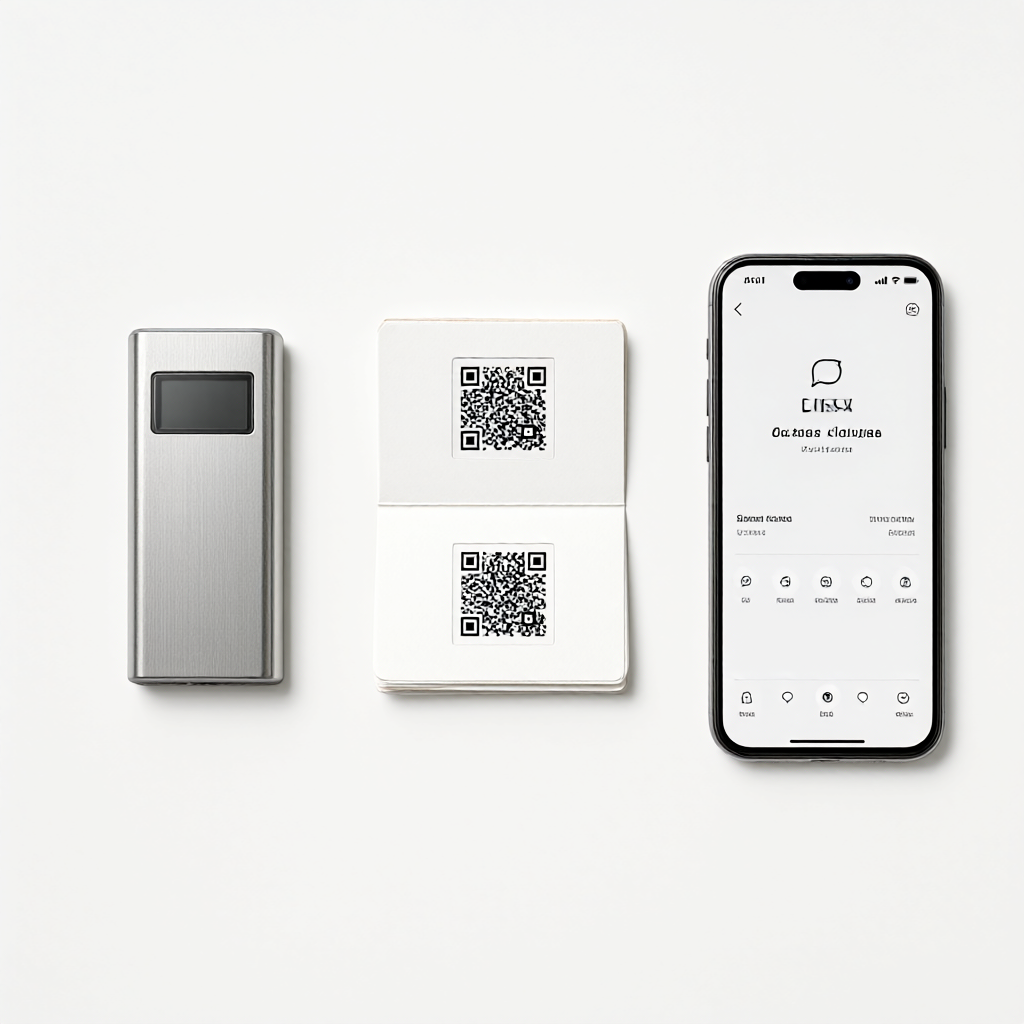
What type of physical coin wallet fits my collection?
Physical coin wallets fall into two main subtypes: accordion-style folios designed for standard circulating coins, and rigid slab-style holders built for high-value or graded numismatic pieces. A typical collector wallet holds anywhere from 48 to over 200 coins depending on slot diameter — common US Mint coin sizes range from 12 mm (dime) to 36 mm (half dollar). Many EDC-focused users prefer slim aluminum or carbon fiber holders that double as everyday carry, while serious collectors opt for acid-free archival folders that comply with conservation guidelines from ASTM International and LIBRARY OF CONGRESS preservation standards.
What is a Continental wallet?
A Continental wallet — sometimes called a bifold money clip or European bi-fold — is a slim, compact design originating in Europe. It typically holds folded bills, a few cards, and occasionally a small coin pocket. For everyday carry enthusiasts who prioritize thinness over capacity, it remains a practical option alongside dedicated coin holders and card sleeves.
What type of digital wallet is right for cryptocurrency?
Digital cryptocurrency wallets fall into three tiers by security model: hardware wallets keep private keys isolated on a physical device; software wallets (often called hot wallets) store keys on internet-connected devices such as phones or desktops; and custodial wallets, like those offered by major exchanges, hold keys on behalf of the user. For most beginners, a reputable software wallet paired with a hardware wallet for larger balances is the recommended setup. For active traders, exchange-integrated wallets provide speed but introduce counterparty risk.
Comparison Table
| Wallet Type | Best For | Security Level | Cost Range | Quick Access? |
|---|---|---|---|---|
| Physical coin wallet (paper/folder) | Long-term coin collecting | Moderate — protects from handling | $5–$40 | N/A (not for transactions) |
| Metal EDC coin holder / money clip | Everyday carry cash and spare coins | Low — no tracking; portable | $15–$80 | Yes |
| Hardware crypto wallet (cold wallet) | Large crypto holdings, long-term savings | High — keys never touch internet | $50–$150 | Slow (requires device + PIN) |
| Software crypto wallet (hot wallet) | Daily use, small balances, DeFi | Medium — keys stored locally on device | Free | Yes |
| Exchange/custodial wallet | Active trading | Lowest — third party controls keys | Free | Yes (fastest) |
| E-wallet app (Google Pay / Apple Pay) | Contactless payments, transit | Medium — depends on phone security | Free | Yes (instant) |
How to Choose
What factors matter most when selecting a wallet?
Start with what you are storing. Tangible coins require physical protection from humidity, PVC contact, and abrasion — material choice matters enormously. For cryptocurrency, the deciding factor is whether you can afford to lose everything if your phone is stolen or hacked. If you want both worlds — a reliable physical wallet for cash and coins and a secure way to manage digital assets — layering solutions works best: a slim metal wallet for daily spend plus a hardware wallet for savings.
How secure are hardware versus software versus paper wallets?
Paper wallets — printed sheets containing a public address and private key — are simple but fragile: paper degrades, tears, and can be lost. Software wallets are convenient but exposed to malware, phishing, and device compromise. Hardware wallets encrypt keys on a sealed chip; even if your computer is infected, the keys never leave the device. This tiered approach means hardware wallets offer the highest standalone security, followed by software wallets, then paper.
Which wallet option offers the quickest everyday access?
Mobile e-wallet apps like Google Wallet or Apple Pay, combined with NFC-enabled cards and a slim physical wallet for coins, deliver the fastest routine experience. You tap your phone at a terminal and pull a card or cash bill from your pocket. A hardware wallet, by contrast, requires plugging in, entering a PIN, and confirming on-device — intentionally slow for security.
What It Costs
How much do different wallet types cost?
Entry-level paper coin folders run $5–$15 for basic multi-size capacities. Mid-range metal EDC wallets and carbon fiber card holders sit between $25 and $80 for consumer-grade products, while premium CNC-machined aluminum or titanium models with RFID shielding reach $80–$150. On the crypto side, hardware wallets typically cost $50–$150 (one-time purchase), software wallets are free, and e-wallet apps have no direct cost beyond transaction fees charged by merchants or banks. Annual or recurring fees rarely apply outside of exchange fee structures.
Pros & Cons
What are the advantages and disadvantages of physical coin wallets?
Physical coin wallets excel at preserving condition — they prevent scratching, reduce oxidation exposure, and organize collections by date and mint mark. However, they offer zero financial utility beyond storage, can degrade themselves if made with acidic or PVC-containing materials, and occupy physical space. Archival-quality folios from reputable publishers avoid chemical off-gassing and meet recognized standards, whereas inexpensive dollar-store folders may accelerate tonking on silver coins.
What are the advantages and disadvantages of digital crypto wallets?
Software and hardware wallets enable borderless transfers, DeFi participation, and instant gifting of value. They eliminate the risk of losing physical cash. Their drawbacks include dependence on electricity and internet connectivity, the non-recoverable nature of lost seed phrases, scam exposure through phishing sites, and occasional platform outages during market stress. Custodial exchange wallets add the convenience of password reset but remove true ownership of your keys.
Additional Considerations
How do e-wallet platforms integrate with physical wallets?
Modern e-wallet ecosystems like Google Wallet let users store loyalty cards, transit passes, event tickets, and even digital car keys alongside payment credentials. Many travelers now carry a single physical wallet — a slim card holder with their ID and debit card — while routing most payments through their phone. “Passes” in Google Wallet function similarly to stored digital receipts or membership cards: tap, scan, and go.
What is Coinbase Wallet versus Coinbase exchange?
Coinbase Wallet is a self-custody software wallet where you control the private keys. Coinbase the exchange is a centralized platform that holds your funds and manages keys on your behalf. Using both together is common: store a large balance on the exchange for liquidity and move smaller spending amounts into the wallet for everyday dApp interaction and DeFi access.
Are there climate-control considerations for long-term coin storage?
Relative humidity between 35% and 55% is generally recommended for numismatic preservation; above 60% accelerates copper and silver corrosion, while below 30% can dry out certain paper holders. Temperature should stay stable — rapid cycling causes condensation inside sealed slabs. These ranges align with general museum conservation practice referenced by ISO standards for cultural heritage preservation.
What should I know about material safety and certifications?
When buying metal EDC wallets intended for daily carry, look for manufacturers using anodized aluminum or coated carbon fiber. For companies seeking certified quality systems, ISO 9001 provides a framework for consistent manufacturing processes. Buyers should verify that materials used in contact with skin and currency are REACH-compliant and RoHS-tested where applicable.
How We Meet These Standards
As a manufacturer, our approach starts with understanding what collectors and everyday carry users actually need — durable containment, clean aesthetics, and long-term reliability. Our facility uses in-house CNC machining to produce aluminum and titanium holders with tight tolerances, ensuring slots and pockets fit standard U.S. and international coin dimensions without forcing or galling. Every production batch follows documented process controls consistent with ISO 9001 quality management expectations.
We source metals and finishing compounds verified under REACH and RoHS frameworks, and each finished product undergoes SGS testing so that surface coatings remain stable across years of hand sweat, rain, and repeated insertion cycles. For clients who want branded inventory, we handle laser engraving, UV printing, and custom retail packaging with a typical sample turnaround of seven days and low minimum orders.
If you are sourcing wallets coin holders, metal money clips, or private-label EDC gear, our team supports concepts from initial sketch through volume delivery. Send your opening dimensions and material preferences to begin the conversation.
Frequently Asked Questions
What are the best wallets for storing coins?
For casual carry, a slim aluminum or titanium money clip with a small coin ring works well. For organized numismatic storage, use labeled archival folios sized to your coin diameters and store them in a stable, dry environment away from direct sunlight and PVC-containing plastic.
How do coin wallets protect coins from damage?
They limit physical contact between individual coins, preventing scratches and reducing oxidation surfaces exposed to air. Quality holders also block moisture and oils from hands. Avoid cheap vinyl or PVC sleeves, which release chemicals that cause permanent toning and pitting on silver.
What material should a coin wallet be made of?
For collectors, choose acid-free paper or polyethylene-based folders meeting recognized archival standards. For everyday carry, anodized aluminum, stainless steel, or carbon fiber provides durability, light weight, and resistance to corrosion from daily handling.
How many coins can a coin wallet hold?
Capacity varies widely. Basic paper folders typically hold 48 coins in standard-size rounds (27 mm). Compact coin rolls hold up to 40 coins each. Slim metal EDC holders usually accommodate 4–12 coins plus several bills and cards. Multi-compartment organizers reach 100–200 slots for serious collectors.
Are coin wallets archival-safe?
Not automatically. Only specific folios manufactured with chemically inert materials — typically labeled as acid-free, lignin-free, and PVC-free — qualify as archival. Always check manufacturer documentation before assuming any folder meets museum-level preservation criteria.
Sources & References
- ASTM International — www.astm.org
- ISO — www.iso.org
- Get a Free Quote → — topedcwallet.com
From article to product
Turning this into a product?
Most of what is written here is the difference between a sample that works and one that does not. We can build either — the useful one costs the same.
Keep reading
More on buying guides
wallet with trigger
How Does a Trigger Wallet Work? What Is the Pop-Up Mechanism? The core of…
Readbest bifold wallet for women
What Is a Bifold Wallet? The term “bifold” refers to the fold: the wallet…
ReadMen’s trifold wallets with zipper compartments vs. bifold
At a Glance The three dominant men’s wallet formats differ in panel count, depth,…
Read
About the author
TOPWALLET Editorial Team
TOPWALLET's editorial and engineering desk writes from bench testing at the Shenzhen (Longgang) facility: pull-force and cycle testing, 13.56 MHz shielding measurements, finish trials and factory audits, rather than supplier spec sheets. Every specification in these guides is one we write on a purchase order.
Written on the floor
This article was written by our production and QC team — the people who spec tolerances, run the finishing line and inspect every batch. Where it states a capacity, a pull force or a lead time, it comes from a measurement we made, not a supplier’s catalogue. If a number here disagrees with what your own supplier told you, tell us; several of these articles started as a correction from a buyer.
See how the factory works · Inspection process · Sourcing FAQ
Turning this into a product?
Most of what is written here is the difference between a sample that works and one that does not. We can build either — the useful one costs the same.