

The Bottom Line Up Front
Card wallets with coin pockets work best when you carry a mix of payment cards and occasional cash or keys. They suit daily commuters who prefer front pockets, travelers avoiding oversized gear, and minimalist carriers tired of digging through traditional wallets. The key is matching closure type, material durability, and card capacity to how you actually move and store items throughout the day.
Categories Explained
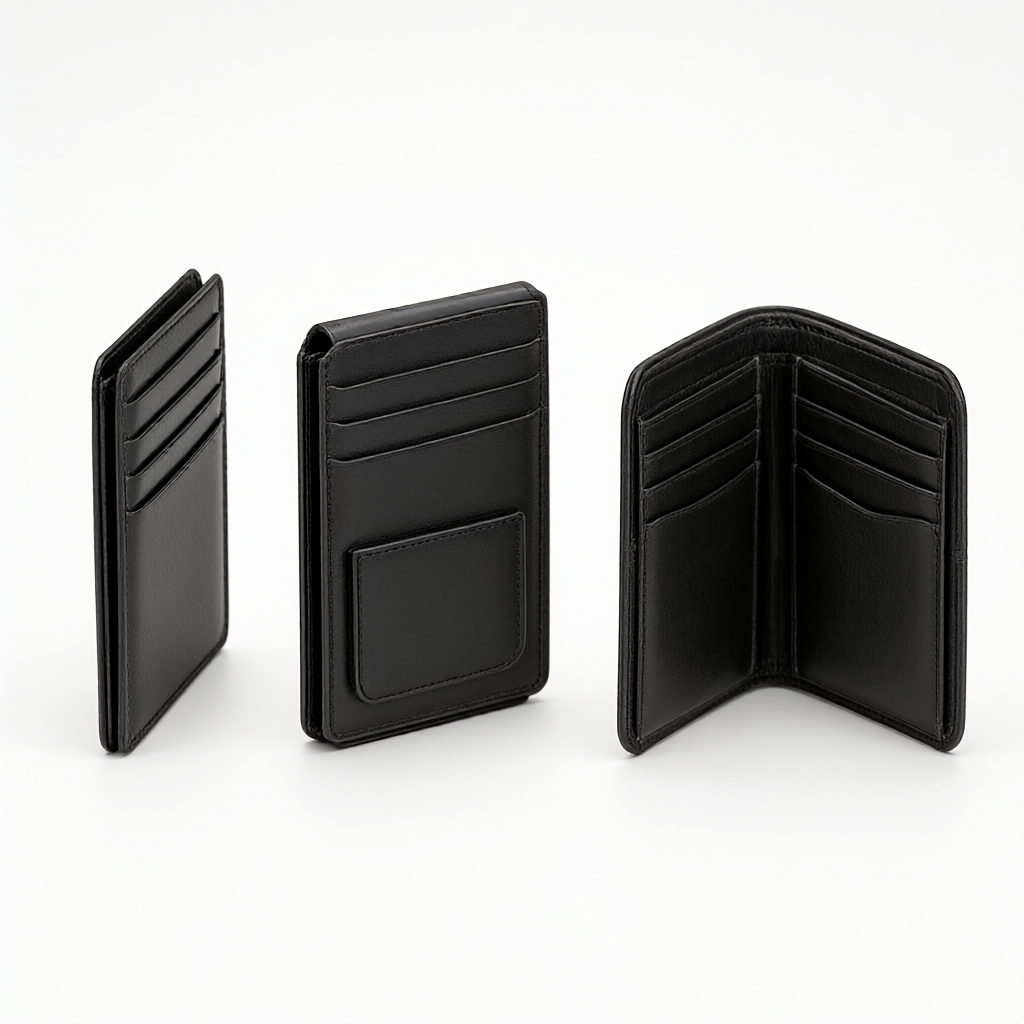
Different designs solve different carry problems. Understanding the core categories helps you narrow options before comparing features.
What type of card wallet is best for minimalists?
Metal card holders with integrated money clips or RFID-blocking aluminum frames prioritize slim profiles over capacity. These typically hold 4–8 cards and add a small spring clip or magnetic loop for a few bills. They suit people carrying mostly contactless cards who only need emergency cash access.
Which design works best for active outdoor use?
Tactical pocket organizers with zippered coin compartments and reinforced stitching handle rain, sweat, and impact better than snap-closure versions. Carbon fiber and anodized aluminum resist scratches while providing structural rigidity. Look for closed zippers with rubber pulls and reinforced stress points near card slots.
What suits travelers needing multi-currency organization?
Multi-compartment card holders separate bills, foreign coins, and cards into distinct sections. Some include removable pouches that convert to standalone coin purses. These weigh more but offer flexibility for trips requiring multiple currencies or extended cash usage.
Comparison Table
| Feature | Metal Frame + Money Clip | Zippered Tactical Organizer | Snap-Closure Slim Wallet | Multi-Pouch Travel Design |
|---|---|---|---|---|
| Card Capacity | 4–8 cards | 6–12 cards | 6–10 cards | 8–16 cards |
| Coin Storage | Elastic loop (5g) | Zippered pouch (15–25g) | Snap pocket (10g) | Removable pouch (20–40g) |
| Weight | 35–55g | 70–110g | 45–65g | 90–140g |
| Closure Security | Low | High | Medium | High |
| Best For | Minimalist daily carry | Outdoor/sports use | Everyday casual carry | Travel/multi-currency needs |
How to Choose
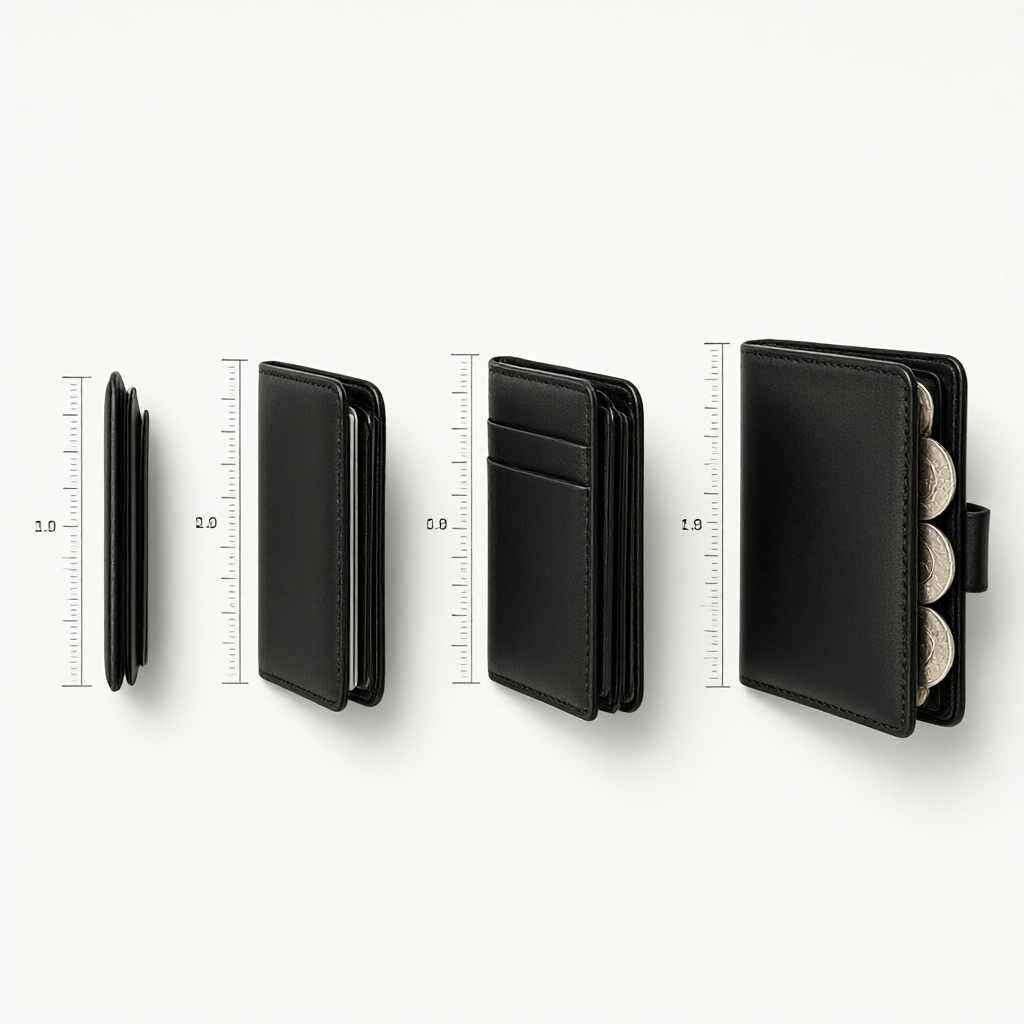
Selecting the right wallet depends on material preferences, security needs, and carry style rather than following generic feature lists.
What factors matter most for coin security?
Zippered compartments prevent spills during active movement but add bulk. Magnetic snaps open quickly but may release during vigorous activity. Elastic loops secure light coin loads under 10 grams but allow gradual shifting. Assess how you move — runners and cyclists benefit from zippers; desk workers tolerate snaps comfortably.
Which material lasts longest in daily use?
Aluminum anodizing resists scratches and corrosion for typical five-to-eight-year lifespans when cared for properly. Carbon fiber offers comparable durability at slightly higher weight. Silicone coasters protect against sliding but attract lint. Titanium provides premium longevity above 10 years but costs significantly more. Choose based on expected replacement cycles and budget tolerance.
Is RFID blocking necessary for your situation?
RFID shielding prevents unauthorized scanning of contactless payments around 13.56 MHz frequencies. Research suggests actual skimming incidents remain rare in most regions, though protection peace-of-mind carries value for some buyers. Per ISO/IEC 14443 standards, effective blocking requires continuous conductive layers without gaps exceeding 2 millimeters near card slots.
What It Costs
Quality card wallets with coin storage range from $15 for basic polymer versions to $80+ for titanium constructions with advanced security features. Mid-range aluminum and carbon fiber models sit between $25 and $50, offering the best value for most users. Prices reflect material sourcing, CNC machining complexity, and finish quality rather than brand markup alone.
Budget-conscious buyers should expect narrower card slots and simpler closures under $20. Premium editions justify costs through precision tolerances, superior anodizing thickness, and lifetime warranty coverage. Corporate gift buyers often select mid-tier options around $30–$45 with custom engraving capabilities.
Are there smaller versions suitable for teens?
Compact card holders designed for younger users typically hold 4–6 cards with lighter coin capacity. These prioritize affordability and aesthetic customization over maximum durability. Teens favor slim profiles fitting phone cases and bicycle pockets rather than front pants pockets carrying heavier loads.
Do smart wallets with coin integration add real value?
Active tracking wallets incorporate Bluetooth tags or wired cable routing alongside coin storage but increase weight and require battery charging. Most users find standard mechanical solutions more reliable long-term since electronics fail unpredictably. Consider smart features only if anti-loss functionality outweighs added complexity and cost.
Pros & Cons
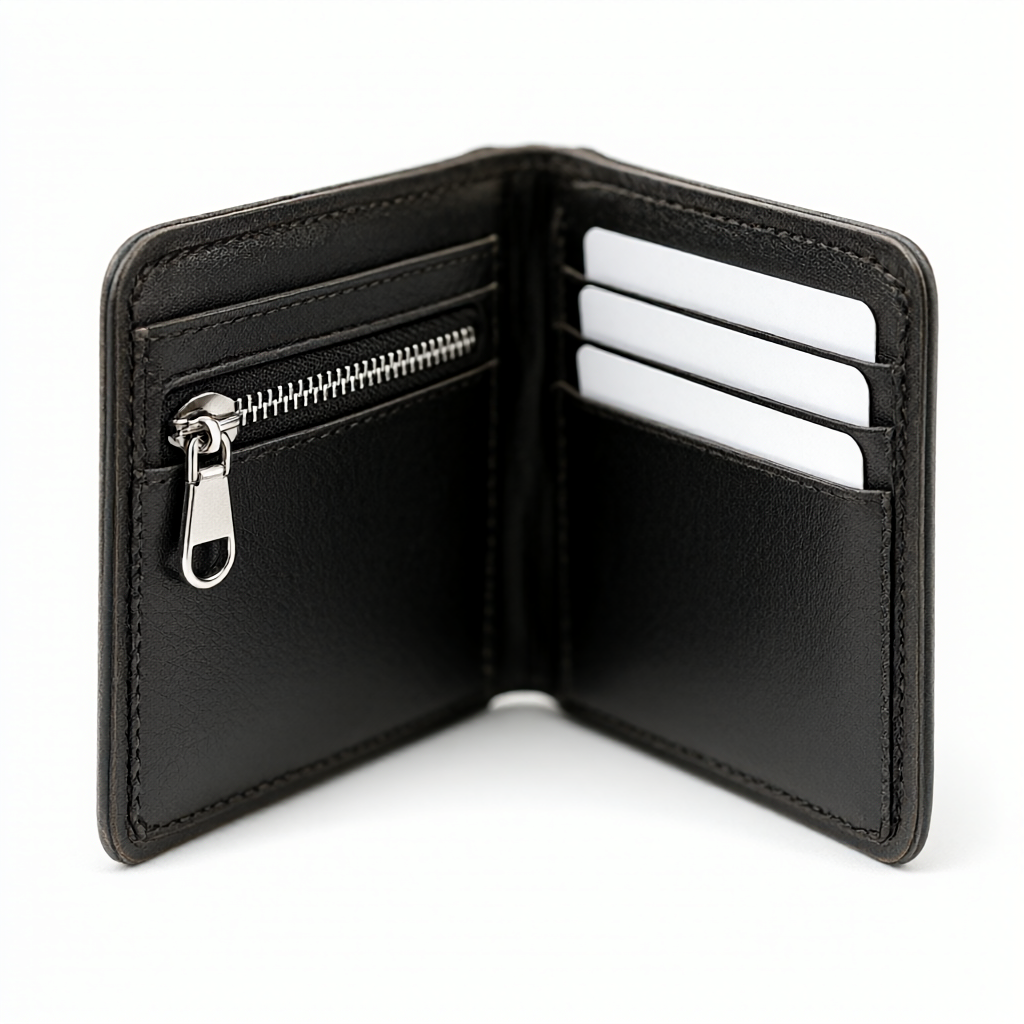
Each wallet category presents trade-offs affecting daily convenience versus organizational control.
Metal Frame Wallets
Pros: Extremely slim profile; lightweight construction; modern aesthetics; affordable pricing
Cons: Limited coin capacity; minimal protection against drops; no waterproofing
Zippered Tactical Organizers
Pros: Secure coin containment; weather-resistant options available; high durability ratings
Cons: Bulkier silhouette; slower access times; heavier weight reduces comfort
Snap-Closure Slim Designs
Pros: Quick one-handed operation; moderate coin capacity; balanced size-to-capability ratio
Cons: Occasional spill risk during vigorous activity; snaps degrade faster than zippers
Multi-Pouch Travel Versions
Pros: Separated organization prevents mixing; adaptable for various trip lengths; generous storage
Cons: Maximum bulk; higher price points; overkill for daily routine use
Additional Considerations
Beyond core categories and specifications, several nuances affect long-term satisfaction with any card wallet purchase.
Color choices like burgundy small wallet variations provide professional aesthetics alongside neutral black or silver finishes. Designer-style metal wallets feature textured patterns, laser-engraved logos, or gradient anodizing creating visual distinction without sacrificing function. Buyers seeking branded promotional items can commission custom artwork meeting minimum order quantities starting around 100 pieces.
What anti-loss features exist?
Lanyard attachments thread through reinforced frame holes securing wallets to bags or neck cords. Wrist strap versions integrate silicone bands preventing accidental drops. Key holder configurations combine carabiner clips with coin compartments consolidating essential carry items into single anchor points reducing loss probability.
Can I find burgundy or designer-style metal wallets?
Specialized manufacturers produce burgundy small wallet editions using colored anodizing processes achieving deep red tones resistant to fading. Designer interpretations apply brushed finishes, geometric patterns, or gradient color schemes transforming functional items into fashion accessories while maintaining structural integrity standards.
How do I maintain my coin compartment?
Regular cleaning prevents coin tarnish transfer onto card surfaces. Remove loose change weekly and wipe interior surfaces with dry microfiber cloth. For zippered designs, lubricate sliders occasionally using silicone-based spray preventing friction buildup. Avoid moisture exposure extending beyond normal hand-washing conditions.
What about sustainability considerations?
Ethical sourcing increasingly influences purchasing decisions among environmentally conscious consumers. Aluminum and carbon fiber materials offer recyclability advantages over synthetic polymers derived from petroleum products. Reputable manufacturers disclose supply chain practices and comply with REACH and RoHS regulations ensuring restricted substance compliance across production processes.
Frequently Asked Questions
What is the best card wallet with a coin pocket?
The optimal choice balances your carry habits with security requirements. Active users prefer zippered tactical organizers with carbon fiber construction. Minimalist commuters select aluminum frames with elastic money clips. Travelers needing multi-currency separation choose multi-pouch designs despite added bulk. Evaluate closure types, material ratings, and intended usage patterns before deciding.
How many cards can a slim card wallet hold?
Standard capacity ranges from 6 to 12 cards depending on thickness preferences and slot configuration. Thin credit cards fit more densely than rigid identification cards requiring separate compartments. Dual-sided arrangements double effective capacity without increasing overall dimensions significantly. Measure existing card stacks before purchasing to ensure compatibility.
Do coin pockets hold coins securely without spilling?
Security varies substantially across closure mechanisms. Zippered compartments reliably contain coins during vigorous movement. Magnetic snaps offer convenient access but may release under sudden acceleration forces. Elastic loops secure light loads appropriately but allow gradual displacement during extended activities. Match closure type to physical activity levels when selecting.
Is RFID blocking necessary in a card wallet?
Protection against electronic pickpocketing remains theoretically possible but practically uncommon in most regions. Continuous conductive shielding meeting ISO/IEC 14443 standards provides documented prevention capability. Decide based on personal risk assessment rather than universal necessity. Budget-conscious buyers prioritize other features before adding RFID layers increasing costs marginally.
Which material lasts longest—leather, silicone, or aluminum?
Anodized aluminum consistently outperforms both leather and silicone in scratch resistance and structural preservation. Properly treated leather develops character patina while maintaining flexibility but shows wear sooner. Silicone coatings protect against abrasion but accumulate debris regularly requiring cleaning intervals. Titanium represents ultimate longevity choice above typical consumer expectations.
Can a card wallet replace a traditional wallet entirely?
Many users successfully transition eliminating bulky bifold alternatives entirely. Success depends on carrying primarily contactless payment methods alongside minimal physical currency. Those requiring extensive receipt storage or numerous loyalty cards continue benefiting from multi-compartment traditional designs. Test transitional setups during low-stakes periods before committing fully.
Sources & References
- Get a Free Quote → — topedcwallet.com
From article to product
Turning this into a product?
Most of what is written here is the difference between a sample that works and one that does not. We can build either — the useful one costs the same.
Keep reading
More on buying guides
wallet with trigger
How Does a Trigger Wallet Work? What Is the Pop-Up Mechanism? The core of…
Readbest bifold wallet for women
What Is a Bifold Wallet? The term “bifold” refers to the fold: the wallet…
ReadMen’s trifold wallets with zipper compartments vs. bifold
At a Glance The three dominant men’s wallet formats differ in panel count, depth,…
Read
About the author
TOPWALLET Editorial Team
TOPWALLET's editorial and engineering desk writes from bench testing at the Shenzhen (Longgang) facility: pull-force and cycle testing, 13.56 MHz shielding measurements, finish trials and factory audits, rather than supplier spec sheets. Every specification in these guides is one we write on a purchase order.
Written on the floor
This article was written by our production and QC team — the people who spec tolerances, run the finishing line and inspect every batch. Where it states a capacity, a pull force or a lead time, it comes from a measurement we made, not a supplier’s catalogue. If a number here disagrees with what your own supplier told you, tell us; several of these articles started as a correction from a buyer.
See how the factory works · Inspection process · Sourcing FAQ
Turning this into a product?
Most of what is written here is the difference between a sample that works and one that does not. We can build either — the useful one costs the same.