

What makes the best leather wallets for men? Compare leather grades, construction quality, RFID protection, and OEM sourcing standards.
What Are the Best Leather Wallets for Men?
The best leather wallets for men balance material grade, construction durability, and functional capacity to meet the demands of everyday carry (EDC) and commercial distribution. From a procurement standpoint, “best” is not a single product—it is a category of wallets that consistently pass quality control checks for stitching integrity, edge finishing, and leather longevity without excessive bulk.
For B2B buyers, the highest-rated leather wallets typically feature full-grain or top-grain leather, reinforced stitching (often saddle-stitch or high-density zig-zag), and precise dimensions that allow slim front-pocket carry. Buyers should evaluate wallets based on specifications that matter in the field: card retention, RFID compliance where required, and the ability to maintain shape under repeated use.
How to Evaluate Leather Wallet Quality
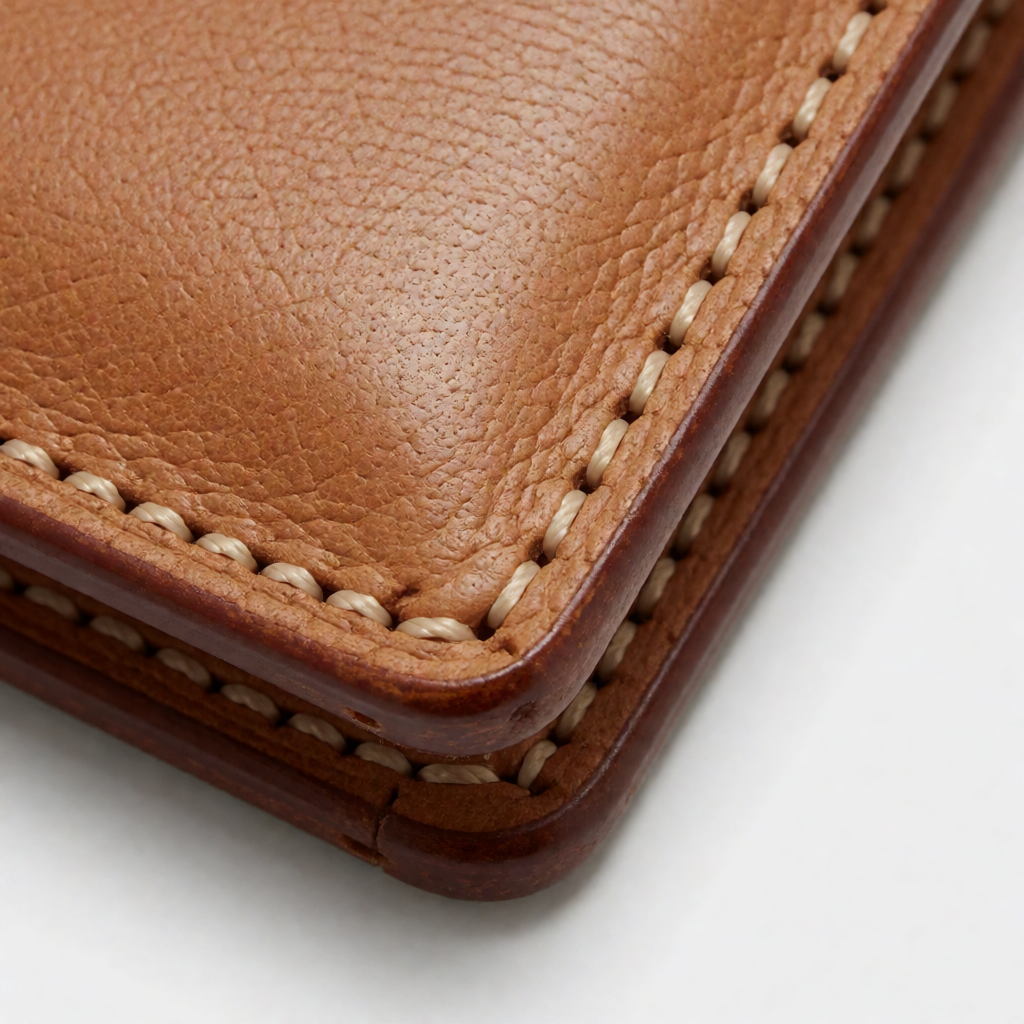
Determining quality requires looking beyond aesthetics to the manufacturing process. The leather grade is the single most important factor in a wallet’s lifespan.
Leather Grades Explained
Not all leather is created equal. Procurement teams must distinguish between three primary grades to ensure the product matches market expectations:
- Full-grain leather: The highest quality tier. It retains the original grain layer of the hide, making it the most durable and breathable. Full-grain leather develops a patina over time rather than cracking or peeling. This is the preferred choice for premium EDC wallets and luxury brand positioning.
- Top-grain leather: The second-highest grade. The surface has been sanded or buffed to remove imperfections, making it more uniform in appearance. It is slightly less durable than full-grain but offers a smoother, more consistent finish ideal for branded or dyed products.
- Genuine leather: A broad term often used for lower-grade splits that have been processed and coated. While durable enough for budget segments, genuine leather may lack the longevity and tactile quality expected in high-end EDC markets.
For a comprehensive breakdown of material selection for B2B sourcing, refer to our guide on Best Card Holder Selection for B2B Sourcing.
Construction Methods That Ensure Durability
Quality leather is only as good as its construction. Several manufacturing details determine whether a wallet survives daily abuse:
- Stitching: Thread selection and stitch density are critical. Heavy-duty polyester or nylon thread is standard for EDC use. Saddle stitching, though slower, is significantly stronger than machine lockstitching because it creates two independent interlocking loops; if one breaks, the other holds. For mass-produced wallets, tight, consistent machine stitching with reinforced bar-tacks at stress points (like the corner pivots) is essential.
- Edge Finishing: Raw leather edges can fray or absorb moisture. High-quality wallets feature burnished edges (hand-rubbed smooth) or sealed edges using paint or glue. Clean, flat edges indicate precise die-cutting and skilled finishing—key indicators of a well-made bifold or cardholder.
- Layer Bonding: In hybrid wallets combining leather with metal or carbon fiber cores, the bonding method matters. High-grade wallets use industrial adhesives compatible with both materials, ensuring the layers do not separate under heat or flexion.
Key Specifications — What to Compare Before Buying
When evaluating the best leather wallets for men for private label or bulk procurement, focus on these measurable specifications:
Dimensions and Capacity
- Closed Width: Typically ranges from 3.5 to 4.5 inches. A width under 4 inches ensures compatibility with modern slim front pockets.
- Closed Height: Commonly 4.0 to 4.5 inches. This height accommodates standard US bills folded in thirds.
- Card Slots: A quality minimalist wallet holds 4–8 cards. More slots increase bulk; fewer may limit utility. Look for tight slot tolerance to prevent cards from falling out.
- Coin Pocket: Some bifolds include a dedicated zip or snap compartment for coins. Note that this significantly increases thickness and may deter users seeking a slim wallet.
- Thickness (Open): When loaded with cards and cash, a high-quality leather wallet should remain under 0.75 inches thick to maintain a low profile.
Weight
Weight impacts user comfort. A standard leather bifold typically weighs between 2.5 and 4.5 ounces. For buyers targeting the minimalist segment, a money clip wallet or streamlined cardholder made with thinner leather (around 1.5–2.0 mm) will weigh less than 2 ounces, offering a superior carry experience. See our analysis on Best Slim Wallets for Men for further comparison.
Material Thickness
Leather thickness is measured in millimeters or ounces (1 ounce ≈ 0.4 mm).
- 1.0–1.5 mm: Suitable for card holders and outer shells requiring flexibility.
- 2.0–3.0 mm: Ideal for main body panels that need structural rigidity and longevity.
- Above 3.0 mm: Rare in wallets; typically used for heavy-duty gear.
Standards & Requirements — Certifications and Compliance for Leather Wallets
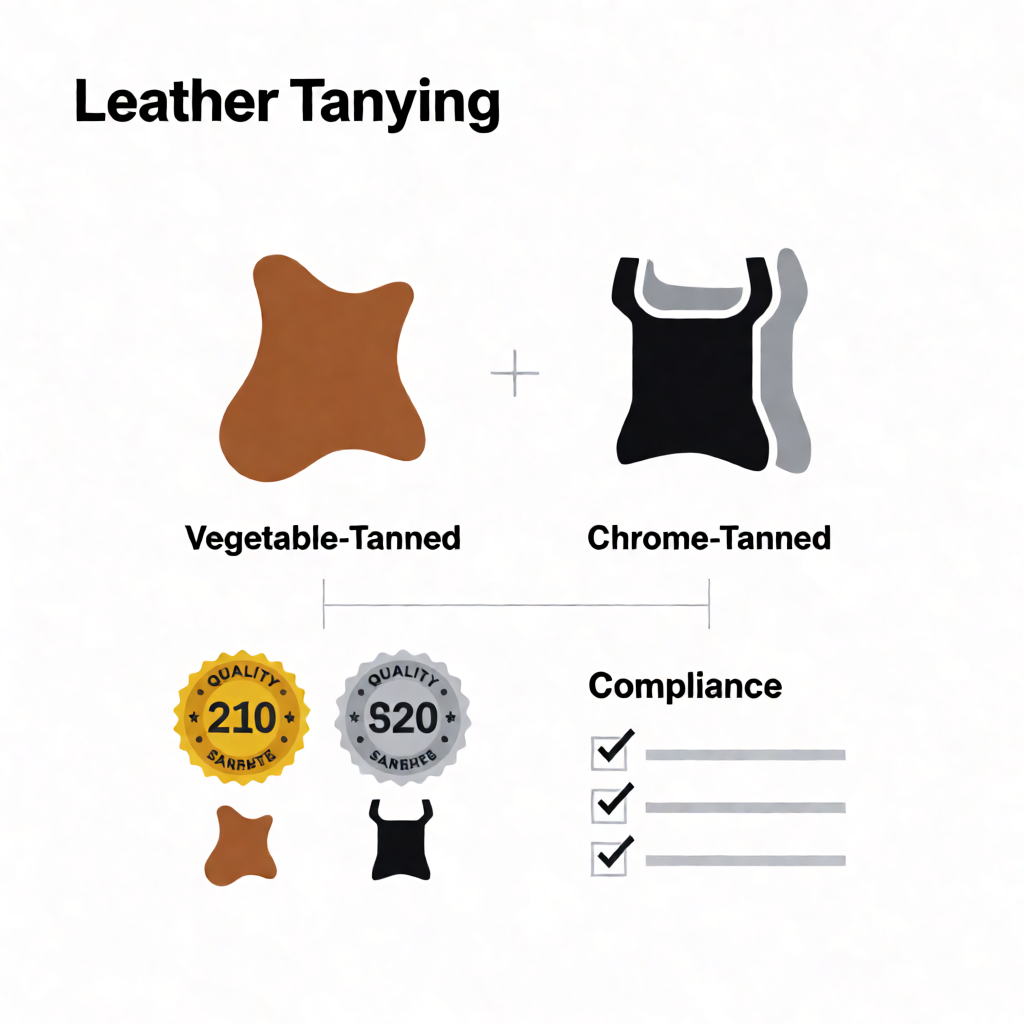
For B2B transactions, particularly those involving international trade and retail distribution, compliance standards are non-negotiable. Buyers must verify that manufacturers adhere to relevant safety and environmental regulations.
REACH and RoHS Compliance
The European Union’s REACH (Registration, Evaluation, Authorisation and Restriction of Chemicals) regulation restricts the use of certain hazardous substances in products. For leather wallets, this primarily concerns the tanning process. Chrome VI (hexavalent chromium) is a known carcinogen and is strictly regulated. Compliant tanning processes ensure that leather meets chrome VI limits, protecting both the end-user and the retailer from liability. Similarly, RoHS (Restriction of Hazardous Substances) directives apply to any metal components, such as clasps, zippers, or RFID-blocking layers, ensuring they are free from lead, mercury, and cadmium.
ISO 9001 Quality Management
While not a product standard, ISO 9001 certification indicates that a manufacturer has established robust quality management systems. For a buyer, this means consistent production quality, traceability of materials, and standardized defect control processes. It is a key indicator when evaluating OEM/ODM partners for long-term contracts.
BSCI Social Compliance
The BSCI (Business Social Compliance Initiative) audit assesses a factory’s adherence to ethical labor practices. For retailers and brands with corporate social responsibility (CSR) policies, sourcing from a BSCI audited facility is often a prerequisite to avoid reputational risk and ensure ethical manufacturing conditions.
For insights into how certifications impact sourcing decisions, explore our Best Wallet for B2B Buyers: EDC Wallet Procurement Guide.
Related Considerations — Leather vs. Alternative Materials and Sourcing Options
Buyers must also decide whether leather is the optimal material for their target market, as alternative materials offer distinct advantages.
Comparing Leather to Metal and Carbon Fiber
- Aluminum Wallets: Offer superior durability, water resistance, and a modern aesthetic. They are thinner and lighter than leather but lack the warmth and traditional appeal. Aluminum is ideal for urban, tech-forward demographics.
- Carbon Fiber: Provides an excellent strength-to-weight ratio and a unique textured look. It is highly resistant to scratches and moisture. However, it can feel rigid and less flexible than high-quality leather.
- Titanium: The premium option for durability and corrosion resistance. Titanium wallets are extremely lightweight but come at a significantly higher cost.
Leather remains the dominant choice for traditional EDC enthusiasts and corporate gift buyers who value craftsmanship and a professional appearance. As noted in our guide on Good Wallets for Guys: B2B EDC Wallet Buying Guide, leather’s ability to be easily customized via tooling, embossing, and dyeing makes it uniquely suited for private-label branding.
RFID-Blocking Integration
RFID-blocking technology is often integrated into wallets using metallic fibers woven into the lining or thin metal plates embedded within the layers. For leather wallets, this is typically achieved by laminating an RFID-shielding fabric between the outer leather and inner lining.
Buyers should consider whether their target market demands this feature. While legitimate threats of digital pickpocketing are sometimes overstated, consumer demand for RFID protection remains high in many markets, making it a valuable differentiator for Amazon FBA sellers and retail chain buyers.
Sourcing and Customization
Sourcing custom leather wallets involves several variables:
- MOQ (Minimum Order Quantity): Varies by manufacturer but typically ranges from 100 to 500 pieces for custom designs. Lower MOQs are common for simpler modifications like logo engraving, while complex structural changes may require higher volumes.
- Lead Time: Sample development usually takes 5–7 days, with mass production running from 15 to 30 days depending on order size and complexity.
- Customization Options: Buyers can specify leather type (full-grain, top-grain, vegan alternatives), color, stitch color, embossing/debossing techniques, and packaging. See our detailed resource on Best Minimal Wallets for B2B Sourcing and Private Label for a complete overview of customization parameters.
How Leading Manufacturers Meet These Standards
For buyers seeking reliable production partners, evaluating a manufacturer’s capabilities is essential. A robust OEM/ODM partner should offer end-to-end services from design prototyping to final quality control and logistics.
TOP EDC Wallet is one such manufacturer, specializing in minimalist EDC wallets and pocket gear with over 13 years of export experience. Established in 2014, the company operates a 50,000 sq ft factory equipped with in-house CNC machining, laser engraving, and UV printing capabilities. This vertical integration allows them to handle complex projects involving mixed materials—such as combining leather with aluminum or carbon fiber—while maintaining strict quality controls.
Their product range includes full-grain and top-grain leather bifold wallets, slim cardholders, and money clip designs. They are certified under ISO 9001 and BSCI, and their materials are REACH and RoHS compliant, ensuring safe production for global markets including North America, Europe, and Australia. With an MOQ starting at just 100 pieces and a fast 7-day sample lead time, they cater to a wide range of buyers—from emerging brands and Amazon FBA sellers to large-scale corporate gift orders.
Sources & References
- Best Card Holder Selection for B2B Sourcing — topedcwallet.com
- Best Slim Wallets for Men — topedcwallet.com
- Best Wallet for B2B Buyers: EDC Wallet Procurement Guide — topedcwallet.com
- Good Wallets for Guys: B2B EDC Wallet Buying Guide — topedcwallet.com
- Best Minimal Wallets for B2B Sourcing and Private Label — topedcwallet.com
- Get a Free Quote → — topedcwallet.com
From article to product
Still deciding between the two?
Send us the use case rather than the product name. Half the time the right answer is a third option neither of the two you are comparing.
Keep reading
More on wallet comparisons
Evaluating Good Wallet Brands for Bulk Procurement
Compare wallet brands and manufacturers for B2B sourcing — materials, certifications, MOQ, lead times,…
ReadWristlet Wallet vs Pink Wristlet: B2B Comparison Guide 2026
Compare minimalist metal wristlet wallets against fashion pink wristlets. Understand materials, capacity, MOQ, and…
ReadBest Minimalist Wallet: Materials, Specs & B2B Buying Guide
Compare aluminum, carbon fiber, and titanium wallets with a standardised scoring framework. See specs,…
Read
About the author
Wu, Leon
Leon Wu is the senior product engineer and EDC testing lead at TOPWALLET. He has spent more than a decade on wallet design-for-manufacture, materials and quality control at the company's Dongguan facility, and writes from bench testing, pull-force and 13.56 MHz shielding measurements rather than supplier spec sheets.
Written on the floor
This article was written by our production and QC team — the people who spec tolerances, run the finishing line and inspect every batch. Where it states a capacity, a pull force or a lead time, it comes from a measurement we made, not a supplier’s catalogue. If a number here disagrees with what your own supplier told you, tell us; several of these articles started as a correction from a buyer.
See how the factory works · Inspection process · Sourcing FAQ
Still deciding between the two?
Send us the use case rather than the product name. Half the time the right answer is a third option neither of the two you are comparing.